26 Aug 2026
The Evolution of Reel Mechanics and Their Impact on Contemporary Mobile Gambling Protections
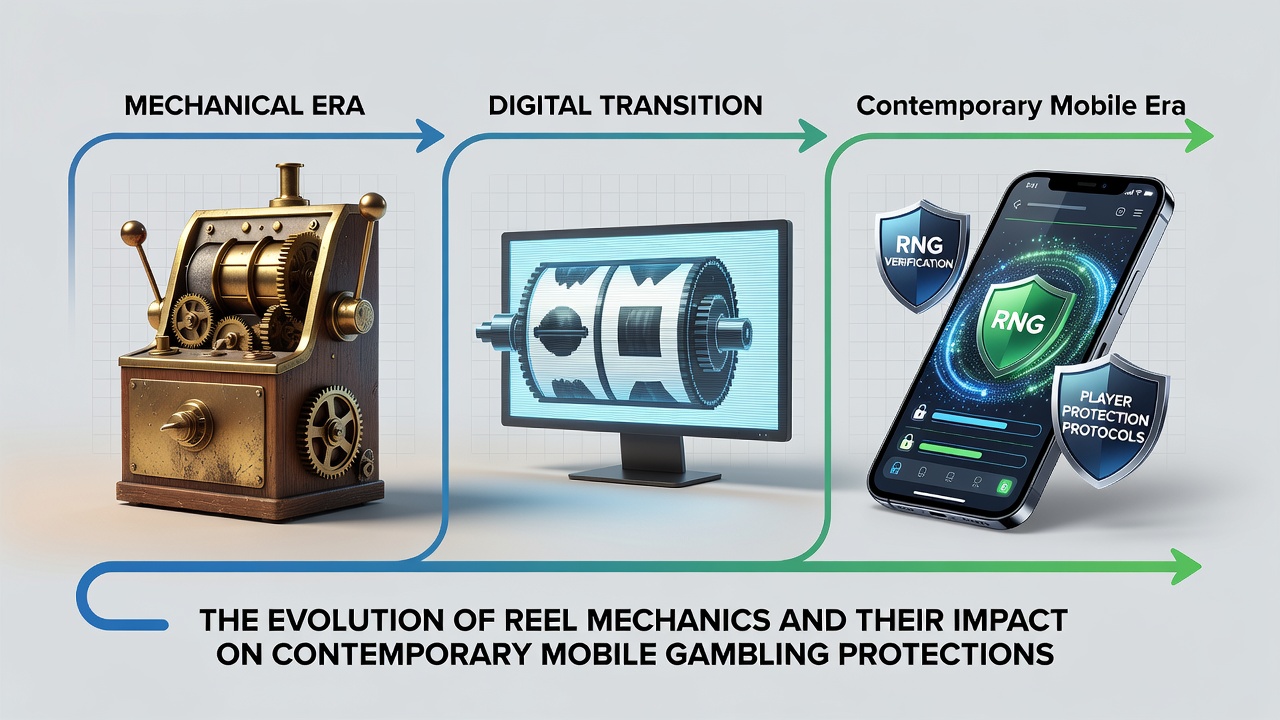
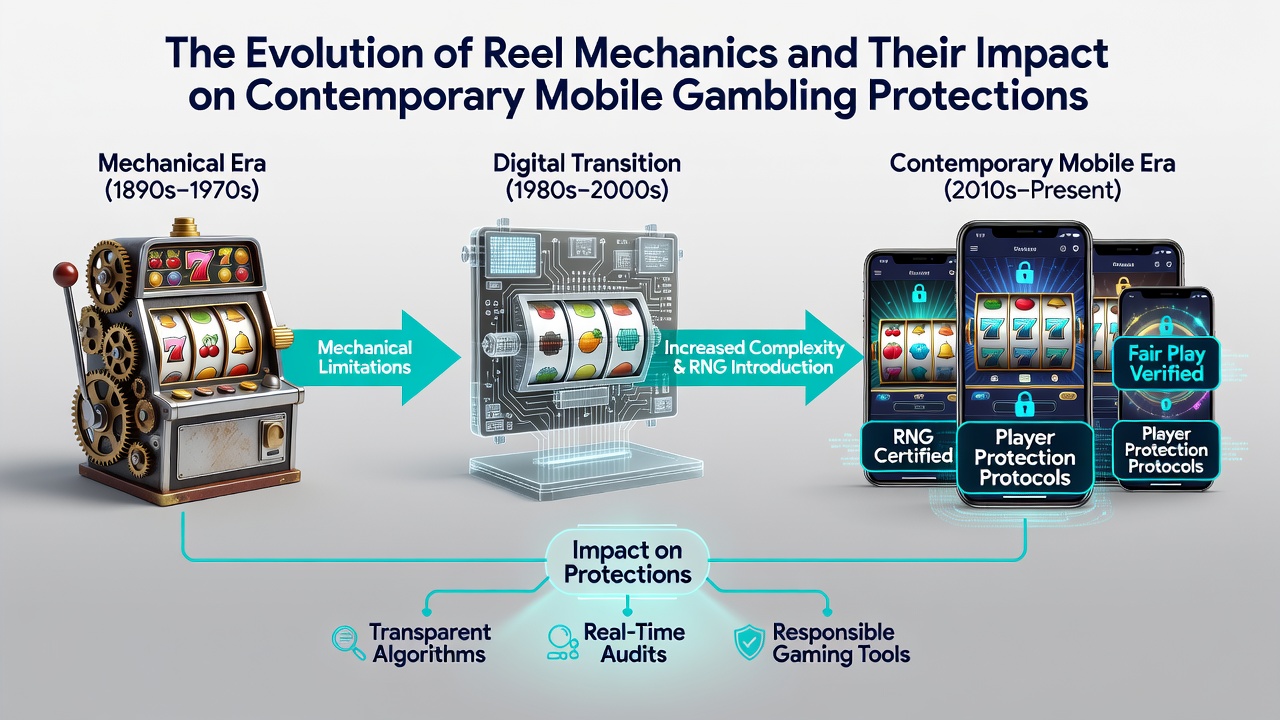
Reel mechanics in gambling devices have shifted dramatically since the late nineteenth century, moving from physical gears and levers to sophisticated algorithms that power modern mobile platforms. Early machines relied on weighted reels and mechanical stops, while contemporary systems use random number generators certified by independent testing labs. This progression has coincided with expanded regulatory frameworks that address player protections across mobile environments.
Early Mechanical Foundations
Charles Fey introduced the Liberty Bell slot machine in 1895, featuring three reels with symbols such as horseshoes, stars, and bells. Payouts occurred through coin dispensers triggered by specific alignments. Manufacturers later added electromechanical components in the 1960s, allowing larger jackpots and more complex reel configurations. These devices operated in physical casinos where oversight depended on manual inspections and state-level licensing.
Transition to Digital and Video Reels
Video slots emerged in the 1980s and replaced physical reels with digital displays. Developers introduced five-reel formats, bonus rounds, and progressive jackpots. Random number generators replaced mechanical randomness, producing outcomes at rates exceeding one hundred per second. Gaming laboratories such as those accredited under ISO standards began certifying these systems to confirm fairness and prevent manipulation.
Mobile Integration and Advanced Mechanics
Smartphone adoption accelerated after 2010, prompting operators to adapt reel mechanics for touch interfaces. Features including cascading reels, expanding wilds, and Megaways systems appeared in mobile applications. These mechanics increased engagement metrics according to industry data from multiple jurisdictions. Mobile platforms also enabled real-time tracking of player behavior, which regulators later incorporated into mandatory responsible gambling tools.
August 2026 marks the scheduled implementation of updated technical standards in several North American markets. These standards require mobile games to integrate session timers and loss-limit prompts directly into the reel interface. Developers must now demonstrate that reel animations do not obscure mandatory pop-up notifications.
Regulatory Protections Shaped by Technological Change
Digital reel systems allow regulators to mandate specific software hooks for age verification and self-exclusion lists. In contrast to mechanical machines, mobile applications can transmit encrypted data to central monitoring systems operated by state gaming authorities. The Nevada Gaming Control Board, for instance, requires all mobile RNG implementations to undergo quarterly audits by approved laboratories.
Researchers at the University of Nevada, Reno documented how multi-reel configurations can influence play duration when paired with autoplay functions. Their findings prompted several Canadian provinces to require explicit player consent before autoplay engages beyond fifty spins. Similar requirements now appear in draft regulations under consideration in Australian states.
Player Protection Mechanisms in Current Mobile Environments
Contemporary mobile gambling protections rely on API integrations that pause reel spins when predefined thresholds are reached. Reality-check messages display at intervals chosen by the player or mandated by jurisdiction. Geo-location services restrict access to approved regions, while biometric authentication reduces unauthorized account use. Data from the Australian Gambling Research Centre indicates that operators employing these layered controls report lower rates of player disputes related to unintended continued play.
Linkage between reel mechanics and harm-minimization tools continues to evolve. Game designers now embed visual cues that align with mandatory cooling-off periods. Testing protocols require verification that such cues do not interfere with certified randomness.
Conclusion
The shift from mechanical reels to algorithm-driven mobile systems has expanded both game variety and regulatory oversight capacity. Certified random number generators, combined with mandatory interface controls, form the basis for current protections in digital gambling environments. Ongoing technical standards scheduled for 2026 will further align reel functionality with player-safety requirements across multiple regulatory regions.