29 Aug 2026
Exploring Intersections of Historical Slot Designs With Modern Player Agreements in Mobile Progressive Systems
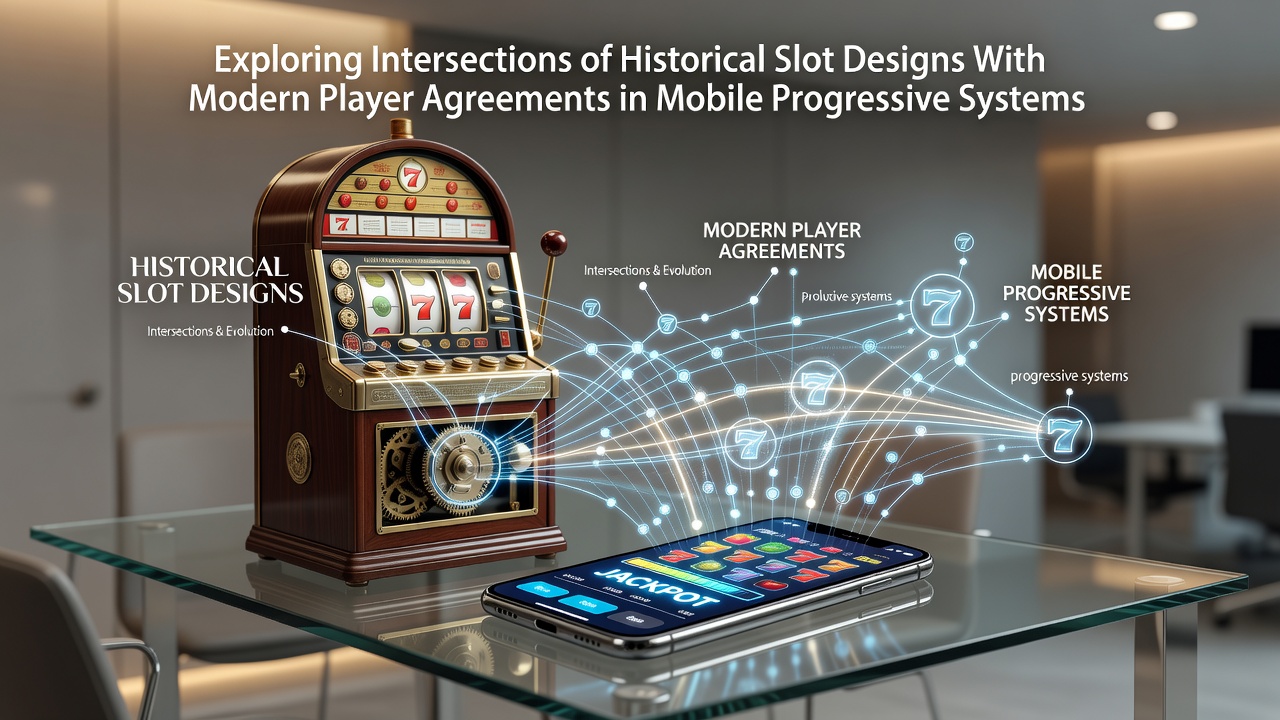
Roots of Mechanical Reel Systems and Their Lasting Influence
Charles Fey introduced the first three-reel slot machine in 1895 and that design established payout structures based on symbol alignment which still shape the algorithms running mobile progressive systems today. Manufacturers in the early twentieth century refined those reels with fruit symbols and jackpot mechanisms while operators documented fairness standards that later informed the player agreements embedded in current apps. Those agreements now reference historical payout percentages and cycle lengths when they outline how progressive pools accumulate across thousands of mobile devices linked in real time.
By the 1960s electromechanical models replaced purely mechanical ones and introduced random number generators that removed physical bias from outcomes. Regulators in Nevada required operators to maintain detailed logs of machine performance and those same record-keeping practices appear in the data clauses of modern player agreements for mobile platforms. The transition created a template where historical verification methods support the transparency commitments found in today's terms of service.
Progressive Jackpots Move From Land-Based Halls to Mobile Networks
Wide-area progressive systems emerged in the 1980s when companies connected multiple machines across casinos to build shared jackpots. Mobile versions of these networks now link players across regions through cloud-based servers and the agreements users accept describe how contributions from each spin feed into a single growing pool. Historical jackpot triggers that once relied on specific reel combinations now translate into coded conditions that mobile platforms must display clearly before a player joins a session.
Data from industry reports shows progressive mobile titles accounted for a rising share of operator revenue by the mid-2020s. In August 2026 several North American gaming associations published updated guidelines that require operators to disclose historical hit frequencies alongside current mobile terms so players understand both legacy mechanics and live pool dynamics. Those guidelines echo the documentation practices first developed for physical machines decades earlier.
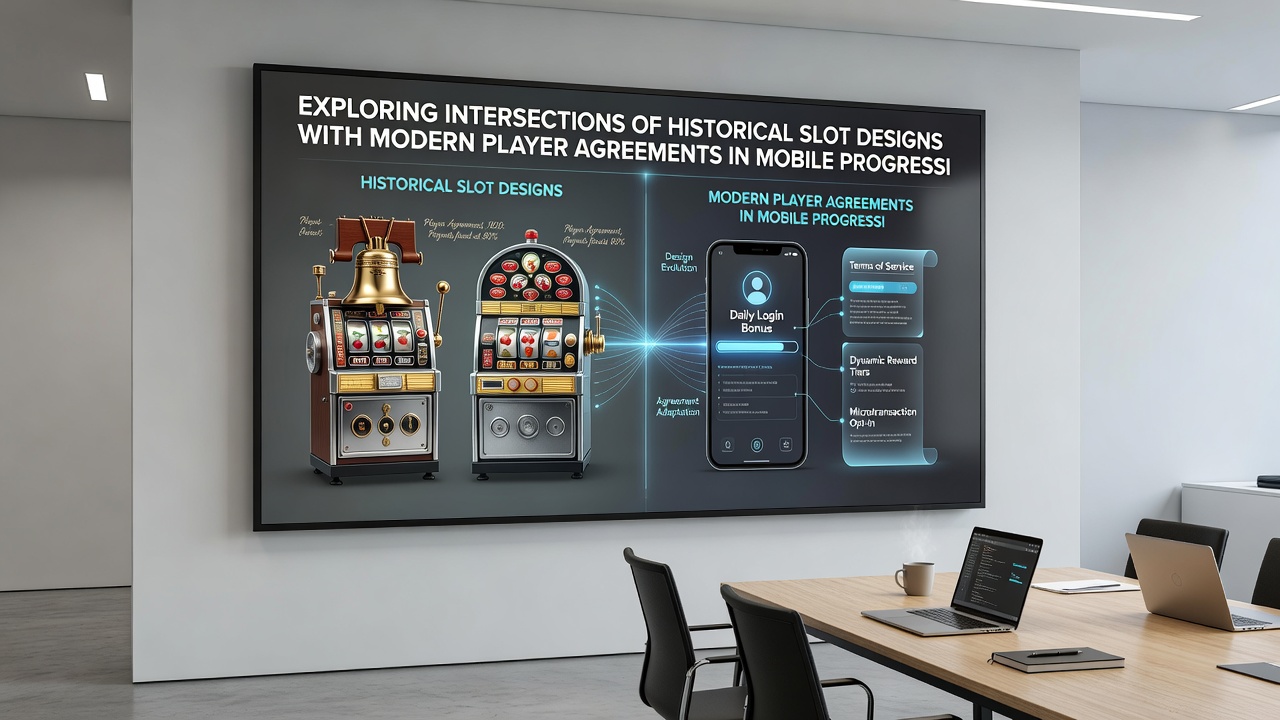
Player Agreements Adapt Legacy Fairness Standards
Modern player agreements incorporate sections that reference the mechanical integrity tests once performed on physical reels and apply those concepts to software audits for mobile progressives. Operators must confirm that random number generators produce results consistent with the symbol distribution patterns established in the earliest commercial machines. Agreements list these requirements in detail because regulatory bodies in multiple jurisdictions continue to tie licensing conditions to verifiable historical benchmarks.
Canadian provincial regulators and Australian state commissions have issued joint statements on cross-border mobile gaming that highlight the need for agreements to preserve the original intent of payout verification. Observers note that these documents often contain clauses requiring operators to maintain records for periods matching those once kept for mechanical machines in land-based venues. The continuity ensures that disputes over jackpot eligibility can reference both current code and the mechanical precedents that shaped industry norms.
Regulatory Evolution and Cross-Regional Standards
Research from the University of Nevada's gaming studies program indicates that player agreements for mobile progressive titles increasingly cite mechanical calibration records from the 1970s as reference points for software certification. This approach allows regulators to compare contemporary mobile performance against documented land-based baselines without introducing new interpretive frameworks. European gaming authorities have adopted similar language in their technical specifications which creates a shared vocabulary across markets.
One study released in 2025 examined how mobile platforms integrate historical reel weighting into their random number generators and found that agreements must explicitly state these parameters to satisfy multi-jurisdictional audits. The findings prompted several operators to revise their terms ahead of the August 2026 compliance deadlines set by North American and Australian oversight bodies.
Conclusion
Historical slot designs continue to supply the structural logic that underpins mobile progressive systems while player agreements serve as the formal bridge connecting those origins to present-day operations. Regulatory documents from diverse regions demonstrate that legacy verification methods remain embedded in the clauses governing mobile play. As networks expand and new titles launch the intersection of mechanical heritage and contractual transparency determines how operators document fairness and how players access progressive pools across devices.