24 Oct 2026
Consent Protocols Shaping Reward Eligibility in Handheld Progressive Reel Systems

Handheld progressive reel systems operate through mobile applications that connect players to shared jackpot pools across multiple devices, and consent protocols determine which participants qualify for reward distributions when those pools reach payout thresholds. These protocols require explicit player agreement to data usage terms, age verification standards, and responsible gambling measures before any accumulated rewards become accessible, while regulators in various regions continue to refine how such agreements integrate with eligibility rules.
Core Mechanics of Consent in Mobile Progressive Systems
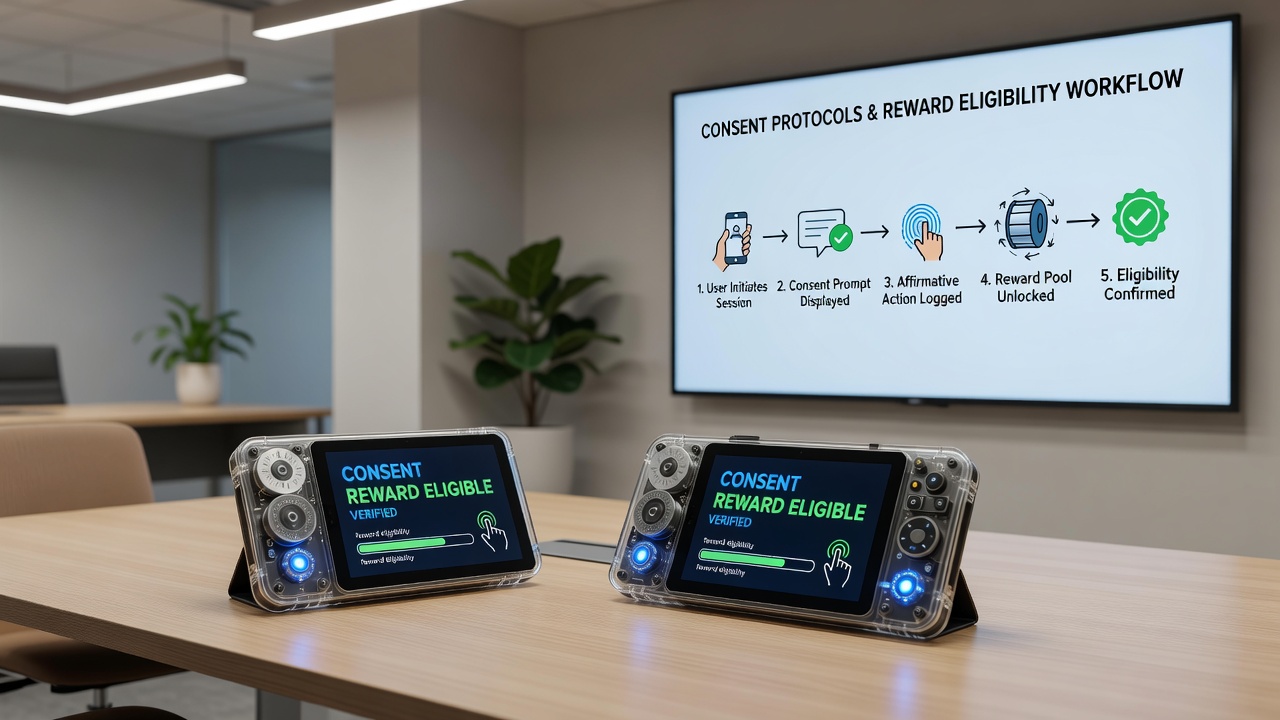
Players initiate participation by accepting digital consent forms that outline how personal information feeds into jackpot tracking algorithms, and systems log these agreements in timestamped records that operators reference during reward claims. Data shows that failure to complete consent steps blocks access to progressive increments even when a reel combination triggers a win notification, because eligibility checks cross-reference consent databases before releasing funds. Researchers at institutions tracking gaming technology note that handheld platforms use geolocation alongside consent confirmations to enforce regional restrictions, ensuring rewards only distribute when all protocol layers align.
October 2026 marks the scheduled rollout of updated consent frameworks in several jurisdictions outside the UK, with Canadian provincial regulators preparing to require granular opt-ins for jackpot participation separate from general game access. These changes mean players must actively select reward eligibility options rather than accepting bundled terms, and early testing indicates higher completion rates when forms appear at session start instead of during cashout attempts.
Regulatory Variations Across Regions
Australian authorities through the Australian Communications and Media Authority have documented how consent records influence progressive system audits, requiring operators to maintain audit trails that link each reward claim to verified player agreements. European gaming associations report similar patterns where incomplete consent documentation leads to suspended payouts until players revisit and confirm terms. Observers note that these requirements reduce dispute volumes because clear consent logs provide objective evidence during eligibility reviews.
Systems often segment consent into categories such as marketing permissions, data sharing for jackpot pooling, and responsible gambling limits, and only full agreement across categories unlocks full reward access. One study from North American research centers revealed that players who decline certain data-sharing consents still receive base game payouts but forfeit progressive portions, demonstrating how protocols directly shape financial outcomes.
Technical Implementation and Verification Processes
Developers embed consent verification into the core architecture of progressive reel applications, using API calls that query central consent repositories before any jackpot meter update applies to a player's session. When protocols detect missing agreements, the system withholds eligibility flags and displays prompts that guide users through remaining steps without interrupting ongoing play. Industry reports indicate these automated checks occur at multiple intervals, including game launch, jackpot contribution events, and reward claim submissions.
Handheld devices introduce additional variables because operating system updates can reset stored consent tokens, forcing re-verification that sometimes delays reward processing. Technicians working with these systems explain that cross-device synchronization relies on cloud-stored consent histories, allowing players to switch phones while maintaining eligibility status provided original agreements remain valid under current rules.
Impact on Player Reward Access Patterns
Statistics from platform operators show that consent completion rates directly correlate with reward claim success, since incomplete protocols trigger automatic holds regardless of winning combinations displayed on screen. Those who study mobile gambling behaviors observe that streamlined consent interfaces increase overall participation in progressive features, whereas lengthy forms correlate with higher abandonment before jackpot contributions begin. Regulatory filings further confirm that disputes over denied rewards frequently trace back to consent mismatches rather than technical reel failures.
Training programs for compliance officers emphasize reviewing consent timelines against reward distribution dates, because agreements signed after a jackpot trigger do not retroactively qualify players for that specific payout. This temporal aspect of consent protocols creates clear boundaries that protect system integrity while giving players predictable pathways to eligibility.
Conclusion
Consent protocols continue to define reward eligibility boundaries within handheld progressive reel systems through layered verification steps that integrate regulatory requirements with technical checks. As October 2026 approaches and new frameworks activate in multiple regions, operators adjust their platforms to maintain compliance while preserving player access to growing jackpot pools. Data from diverse regulatory sources demonstrates that clear consent structures reduce conflicts and support transparent reward distribution across mobile environments.