7 Nov 2026
Connections Between Frequent Questions on Accumulative Rewards and Policy Requirements for Portable Casino Activities
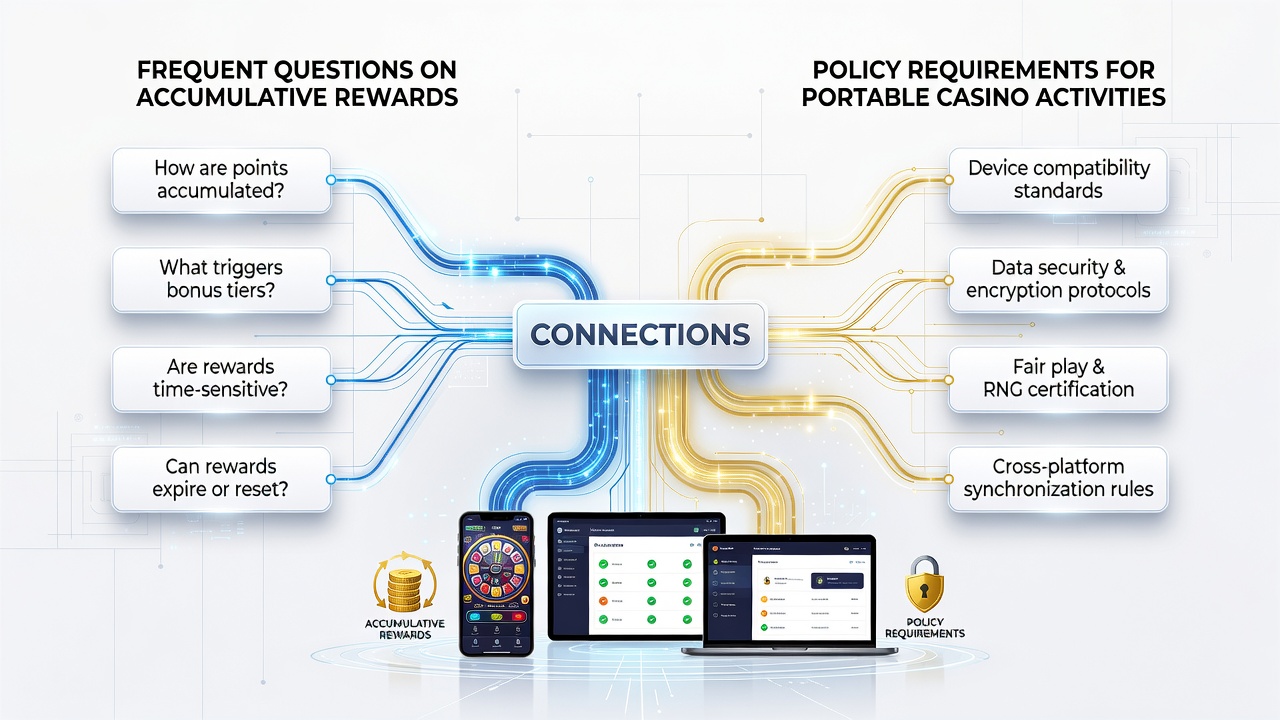
Players frequently ask how accumulative rewards build across sessions on portable devices, and those questions connect directly to policy rules that govern verification, eligibility tracking, and data handling in mobile environments. Research from multiple jurisdictions shows that reward accumulation often depends on consistent identity checks that remain active whether users switch phones, change locations, or log in through different networks. Observers note that portable casino activities introduce variables such as GPS requirements and device fingerprinting, which in turn shape how operators answer queries about point totals and bonus unlocks.
Policy Frameworks Addressing Reward Accumulation Queries
Regulatory bodies in various regions require operators to maintain real-time records of reward points so that answers to player questions align with documented activity logs. Data from the New Jersey Division of Gaming Enforcement indicates that mobile platforms must log each transaction with timestamps and location stamps, because accumulative rewards can trigger additional verification steps when totals reach certain thresholds. Those logs help staff respond accurately to questions about whether points earned on one device transfer to another without resetting progress. In practice, this means policies often mandate that reward balances remain accessible through secure APIs that protect user data while allowing seamless updates.
Device Portability and Verification Standards
Portable activities create situations where users move between Wi-Fi and cellular networks, prompting repeated questions about whether reward progress pauses or continues. Policies in Ontario, enforced through the Alcohol and Gaming Commission of Ontario, require operators to confirm user location before crediting points, which directly addresses concerns about interrupted accumulation during travel. Studies from academic research groups have examined how these location checks reduce disputes over missed rewards, because clear rules explain why certain sessions do not count toward totals. Experts have observed that when policies specify exact criteria for portable verification, the frequency of follow-up questions drops as players receive consistent explanations tied to those criteria.
Common queries also cover how reward tiers adjust when accounts link to multiple portable devices, and policy documents outline the steps operators must follow to merge or separate those records. Figures from industry reports reveal that operators who publish detailed eligibility guidelines receive fewer support tickets related to accumulation delays. The connections become clear when one examines how verification protocols feed into reward calculations: each successful check updates the point balance, and any failed check halts accumulation until the user resolves the issue.
November 2026 Developments in Mobile Reward Policies
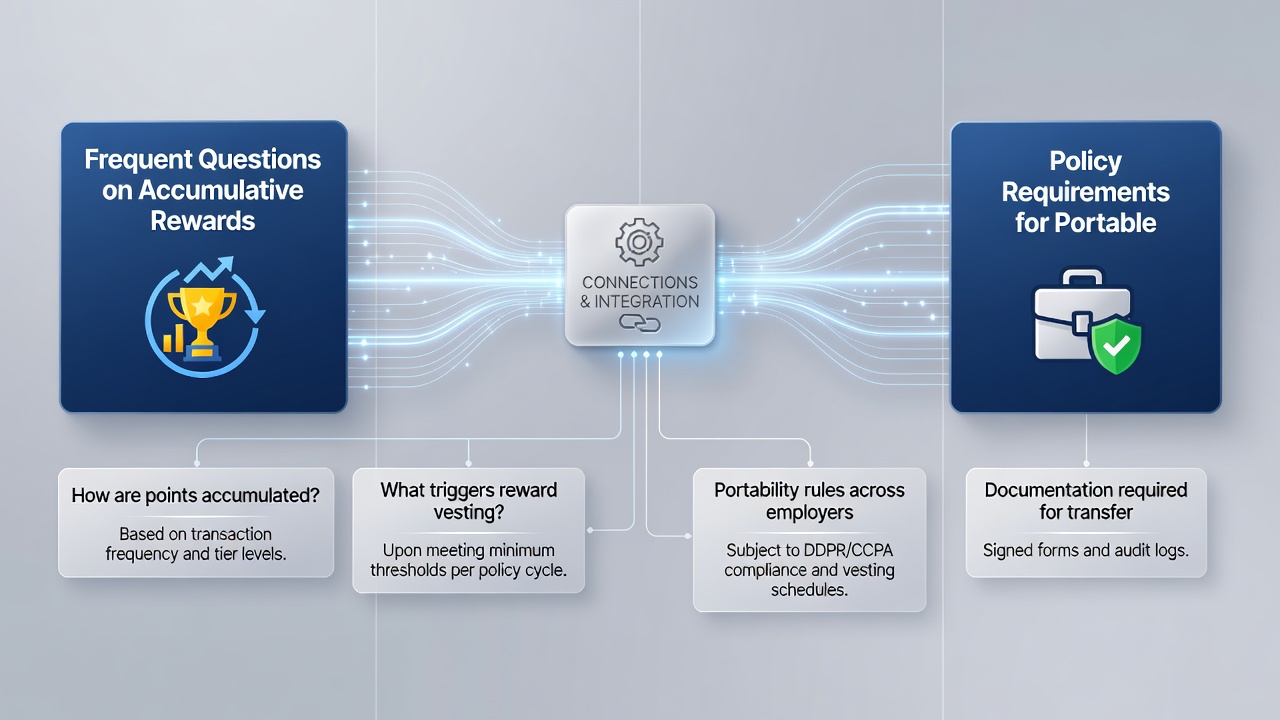
In November 2026 several jurisdictions plan to roll out updated standards for handheld gaming systems that explicitly tie reward accumulation rates to ongoing compliance audits. These changes respond to documented patterns where players questioned why points stopped accruing after software updates or operating system changes on their devices. Regulators have required operators to test new verification modules that maintain reward continuity across device migrations, and early implementation data suggests the modules reduce the number of tickets about lost progress. The updated policies also specify how operators must communicate changes to reward structures so that answers to frequent questions remain uniform across support channels.
Cross-Regional Comparisons of Reward Policy Impacts
Comparative analysis from the International Association of Gaming Regulators shows that regions with strict portable activity rules tend to publish more granular reward policy documents, which in turn lower the volume of repeated player inquiries. One study tracked support interactions before and after policy clarifications and found measurable declines in questions about point transfers between tablets and smartphones. Those findings highlight the practical link between clear policy language and reduced confusion over accumulative systems. Observers note that operators who integrate policy summaries directly into reward dashboards experience fewer escalations, because players can reference the rules without contacting support.
Additional questions often arise around data retention periods for reward histories, especially when users delete and reinstall apps on portable devices. Policy requirements in multiple areas mandate minimum retention windows that allow operators to reconstruct balances accurately, thereby providing factual responses to such queries. Research indicates that transparent retention schedules help maintain trust in the accumulation process because players understand the timeframe during which records remain available for review.
Conclusion
The connections between frequent questions on accumulative rewards and policy requirements for portable casino activities rest on shared needs for accurate tracking, consistent verification, and clear communication of rules. Data from regulatory sources and research studies demonstrate that well-defined policies reduce uncertainty by supplying the exact criteria that answer player concerns. As mobile platforms continue to evolve, the alignment between reward systems and compliance standards remains central to managing the volume and complexity of those questions.